
Berlin Excursions Blog
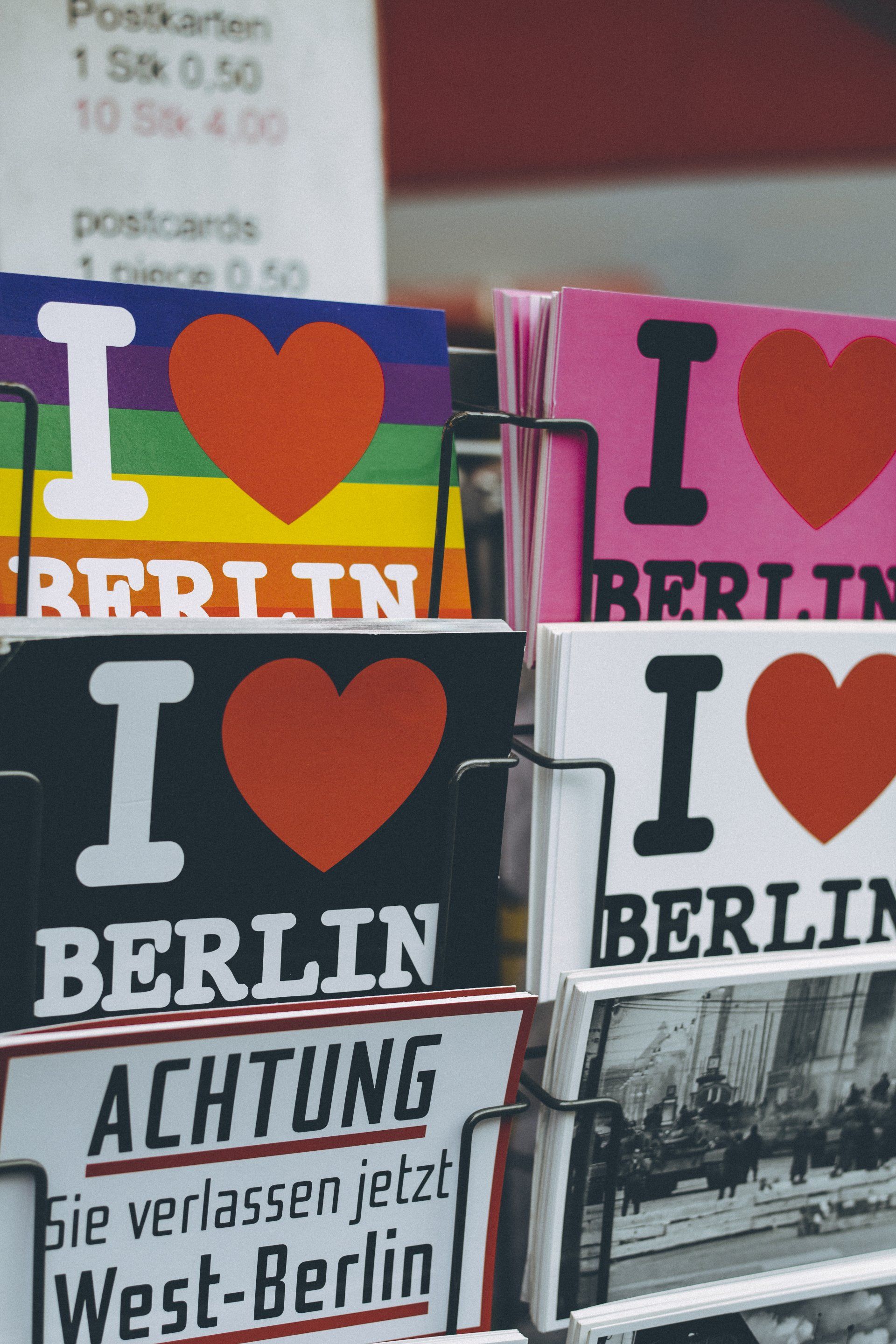

The Topography of Terror and the Piece Wall in Niederkirchene Strasse are two important historical sites in Berlin that provide insight into the atrocities committed by the Nazi regime during the Third Reich. These sites serve as powerful reminders of the dark past of Germany and the importance of remembering and learning from history.
The Topography of Terror is an open-air museum located on the former site of the Gestapo and SS headquarters in Berlin. The museum was established in 1987 and featured an exhibition that explores the history of the Nazi regime and the atrocities committed by the SS and Gestapo. The show features photographs, documents, and artefacts that provide insight into the daily lives of those who worked and suffered under the Nazi regime.
The Topography of Terror is a stark reminder of the horrors of the Nazi regime. The exhibition provides a detailed account of the persecution and murder of Jews, homosexuals, and other marginalized groups. It also highlights the role of the SS and Gestapo in the administration of concentration and extermination camps, as well as the torture and murder of political prisoners.
One of the most striking features of the Topography of Terror is the remains of the Berlin Wall, which runs along the edge of the museum. The wall serves as a reminder of the division of Germany and the impact of the Cold War on the country. The wall was constructed in 1961 and divided Berlin until its fall in 1989. The remains of the wall serve as a powerful symbol of the struggle for freedom and the importance of unity.
The Piece Wall in Niederkirchene Strasse is another important historical site in Berlin that provides insight into the atrocities of the Nazi regime. The wall was constructed in 1940 and was a border wall between the Gestapo and SS headquarters and the adjacent Jewish quarter. The wall was used to separate Jews from non-Jews and to prevent contact between the two groups.
The Piece Wall was dismantled in 1989tinydivisionare; today, only a tiny section remains. The wall is covered in graffiti and serves as a canvas for artists and activists to express their views on the past and present. The artefacts serve as a reminder of the brutal tactics used by the Nazi regime to persecute and isolate Jews.
The artefacts serve as a reminder of the brutal tactics used by the Nazi regime to persecute and isolate Jews.
The Topography of Terror and the Piece Wall in Niederkirchene Strasse are important historical sites that provide insight into the atrocities committed by the Nazi regime. These sites were powerful reminders of the importance of remembering and learning from history. They highlight the struggle for freedom and the importance of unity in the face of oppression. The Topography of Terror and the Piece Wall in Niederkirchene Strasse are must-see destinations for anyone interested in learning about the dark past of Germany and the struggle for human rights.